




| SNo. | Scientific Name | Locality | Habitat | Basis of Record | Description | Recorded By | Record Number | Island | Source | Date |
|---|---|---|---|---|---|---|---|---|---|---|
| 1 | Hydrangea arguta | Kauai Hanalei District. Kahuamaa Flat. | Metrosideros-Cheirodendron-Dicranopteris montane wet forest with Kadua affinis, Dodonaea viscosa, Planchonella sandwicensis, Polyscias waimeae, P. waialealae, Melicope clustifolia, Zanthoxylum dipetalum, Ilex anomala,Bobea brevipes, Nestegis sandwicensis, Scaev___ | Preserved_Specimen | Tree, 3.5 meters tall, stems medium brown, female, purple-red tinge on peduncle, pedicel, fruit, common. | Wood, K.R. | 18243 | Kauai | BISH | 2019-07-11 |
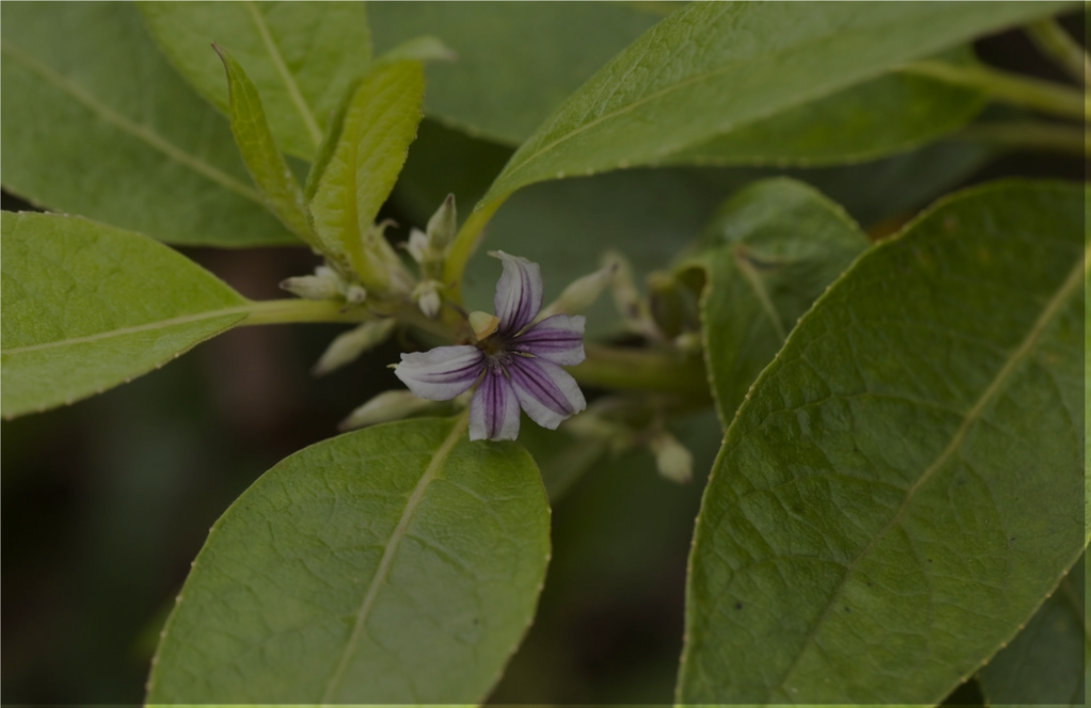
| 2 | Hydrangea arguta | head of Castle trail, Kaipaupau | wet forest | Preserved_Specimen | 4 m shrub; midrib and petiole reddish; flower lavender; green ovary | Fosberg, F.R. | 13950 | Oahu | BISH | 1937-05-31 |
| 3 | Hydrangea arguta | Kilauea: Napau Crater | Wet forest. | Preserved_Specimen | Shrub 2 meters tall; petals pink outside, white inside; filaments white, anthers purple, ovary green, stigma pink. | Fosberg, F.R. | 10104 | Hawaii | BISH | 1933-08-29 |
| 4 | Hydrangea arguta | N.W. end of Alakai Swamp. Na Pali-Kona Forest Reserve | End of swamp | Preserved_Specimen | St.John, H. | 10750 | Kauai | BISH | 1930-12-27 | |
| 5 | Hydrangea arguta | West Maui, Mt. Eke | stream, open rain forest | Preserved_Specimen | Degener, O. | 2308 | Maui | BISH | 1927-08-27 | |
| 6 | Hydrangea arguta | Lanaihale, central ridge | forest | Preserved_Specimen | shrub; flowers with blue green petals; stigma on distinct style | Stone, B.C. | 872 | Lanai | BISH | 1955-07-03 |
| 7 | Hydrangea arguta | Palolo - Waialae Nui Ridge, Koolau Mts | Wet, wooded ridge | Preserved_Specimen | Shrub 1.5 m. tall. Petals - purplish pink, filaments - white, anthers - purplish brown, ovary - pale green, stigma - rose. | Fosberg, F.R. | 10724 | Oahu | BISH | 1933-09-22 |
| 8 | Hydrangea arguta | Summit of Mt. Kaala, boggy woods | Boggy woods | Preserved_Specimen | Common bush in drier, open areas, 4-6 feet tall | Crosby, M.R. | 1326 | Oahu | BISH | 1964-06-10 |
| 9 | Hydrangea arguta | Puu Kawiwi, Mt. Kaala ridge, Waianae Mts., Makaha-Waianae Kai | Wooded ridge | Preserved_Specimen | Shrub 4 m., petals greenish | St.John, H. | 17572 | Oahu | BISH | 1935-03-31 |
| 10 | Hydrangea arguta | Puu Kukui, between Nakalalua and summit | edge of open bog | Preserved_Specimen | 1 m bush; flower white with crimson style and stigma, reddish perianth | Fosberg, F.R. | 10021 | Maui | BISH | 1933-08-24 |
| 11 | Hydrangea arguta | Along top of ridge trail leading to Turnover Peak near Kahana Valley, Hauula Forest Reserve, Koolau Mts | Asso w/ohia-olua [?] rain forest | Preserved_Specimen | A large shrub to 4 feet high. fLeaves opposite at tips of branches; obovate oblong, to 19 cm. long, 7 cm wide, margins serrate. Plants unisexual. Female fls in corymb, petals green-blue. | Spence, G. | 14 | Oahu | BISH | 1972-01-23 |
| 12 | Hydrangea arguta | Trail to Kahili Bog, Wahiawa valley, Wahiawa | Wet forest | Preserved_Specimen | Petals bluish-lavender, filaments greenish white, stigma purple, anthers purple, ovary green | St.John, H. | 13592 | Kauai | BISH | 1933-12-24 |
| 13 | Hydrangea arguta | E ridge, Manoa Valley | forest | Preserved_Specimen | Degener, O. | 3517 | Oahu | BISH | 1929-02-03 | |
| 14 | Hydrangea arguta | Awehi Stream above Hilo | Wet forest. | Preserved_Specimen | Ovary lavendar pink, calyx lobes red, style green, stigma crimson, other sheets younger or older. | Fosberg, F.R. | 10477 | Hawaii | BISH | 1933-12-07 |
| 15 | Hydrangea arguta | Makawao, Kalialinui, upper Koolau Gap, 1.5 mi E of Hosmer's Grove | closed mesic Metrosideros forest with Dryopteris | Preserved_Specimen | 4 m | Higashino, P.K. | 790 | Maui | BISH | 1975-06-17 |
| 16 | Hydrangea arguta | Haleakala, Makawao, Haiku Uku trail | wet forest | Preserved_Specimen | 1.5 m bush; sepals and ovary green, stigma pinkish, petals and filaments white, anthers light tan, petals pink outside | Fosberg, F.R. | 9863 | Maui | BISH | 1933-08-18 |
| 17 | Hydrangea arguta | upper Kaluanui valley, Castle trail | rain forest | Preserved_Specimen | 6' bush | Kuykendall, J.R. | 119 | Oahu | BISH | 1945-10-21 |
| 18 | Hydrangea arguta | Kohala: at head of Alakahi Valley | Rainswept plateau. | Preserved_Specimen | Among bushes. | Degener, O. | 20069 | Hawaii | BISH | 1949-08-27 |
| 19 | Hydrangea arguta | Forested area about 1/2 mile east of Kalalau Lookout, Kokee State Park | In wet, forested area | Preserved_Specimen | Herbst, D.R. | 1018 | Kauai | BISH | 1968-04-02 | |
| 20 | Hydrangea arguta | East Molokai, above head of Wailau valley | forest | Preserved_Specimen | Cranwell, L.M. | 2537 | Molokai | BISH | 1938-07-08 | |
| 21 | Hydrangea arguta | Punaluu Valley, head, N of head of Poamoho trail | wet, windswept, low scrubby vegetation | Preserved_Specimen | 1 m shrub; flower pale green with rose purple stigmas | Fosberg, F.R. | 41449 | Oahu | BISH | 1961-03-09 |
| 22 | Hydrangea arguta | North Halawa - Heeia Divide, Haiku Valley, Koolau Range | Cloud zone, thicket | Preserved_Specimen | 3 m. shrub | St.John, H. | 20431 | Oahu | BISH | 1943-12-12 |
| 23 | Hydrangea arguta | 4 miles NW of Kulani Prison Camp. S. Hilo District | Metrosideros woods. | Preserved_Specimen | 3 mshrub H- wine colored | St.John, H. | 25331 | Hawaii | BISH | 1954-12-19 |
| 24 | Hydrangea arguta | Kauai Waimea District | Kokee, Pihea trail between 0.5 and 0.75 miles. Wet Metrosideros dominated montane forest. Edge of trail on soil with copious leaf litter. Nertera granadensis, Meterideros polymorpha var. glaberrima, M. polymorpha var. dieteri, Vaccinium calycinum, Hedychium gardnerianum, Dicranopteris linearis, Sadleria sp. | Preserved_Specimen | Sprawling shrub 2 m tall with many branches. Fruit red. | Wolkis, D. | 1186 | Kauai | BISH | 2018-09-04 |
| 25 | Hydrangea arguta | East branch Kilauea river | Rain forest | Preserved_Specimen | Shurb, Ht. 2 1/2 m. | MacDaniels, L.H. | 653 | Kauai | BISH | 1927-02-11 |
| 26 | Hydrangea arguta | Waimano Trail, 4.5-5 mi | rain forest | Preserved_Specimen | ~3 m shrub; flower white and green | Bryan Jr., E.H. | 1523 | Oahu | BISH | 1941-03-23 |
| 27 | Hydrangea arguta | Olinda pipeline | rainforest | Preserved_Specimen | Degener, O. | 3520 | Maui | BISH | 1927-07-30 | |
| 28 | Hydrangea arguta | small valley, E of Wilhelmina Rise | rain forest | Preserved_Specimen | Degener, O. | 1605 | Oahu | BISH | 1923-07-08 | |
| 29 | Hydrangea arguta | Poamoho Ridge Trail, Ewa Forest Reserve, Koolau Range, 5-10 mi N.E. of Wahiawa | Wet forest | Preserved_Specimen | Shrub 10 ft., 2 in. diam. Female flowers (31194 has male). | Little Jr., E.L. | 31195 | Oahu | BISH | 1976-09-10 |
| 30 | Hydrangea arguta | S ridge, Kipapa Gulch, Waipio, Koolau Mts | wet forest | Preserved_Specimen | 10' bush | Hosaka, E.Y. | 694 | Oahu | BISH | 1932-09-15 |
| 31 | Hydrangea arguta | Hana, Puu Ki | by stream | Preserved_Specimen | 2 m shrub, flowers white | St.John, H. | 17872 | Maui | BISH | 1936-12-31 |
| 32 | Hydrangea arguta | S of Saddle Road; approx. 10.5 miles below hunter cabin at Puu Huluhulu | In Kupuka; closed canopied Metrosideros-Acacia forest with Cibotium, Cheirodendron trigynum, Myrsine lessertiana and M. sandwicensis. | Preserved_Specimen | Female. | Wagner, W.L. | 4665 | Hawaii | BISH | 1982-11-17 |
| 33 | Hydrangea arguta | Poamoho Trail, Koolau Range. Paalaa - Wahiawa Ridge | Moist gulch, Metrosideros forest | Preserved_Specimen | Shrub 6 m. x 8 cm. Flowers green | St.John, H. | 19834 | Oahu | BISH | 1938-11-27 |
| 34 | Hydrangea arguta | Kaunuohua Ridge between Kilohana Lookout at Puu o Kila and Pihea | Wet forest | Preserved_Specimen | Shrub to 9 ft. tall; bark reddish; flowers blue-green | Stern, W.L. | 1320 | Kauai | BISH | 1961-08-01 |
| 35 | Hydrangea arguta | Puu Aalii, Kealia Aupuni-Kaunolu divide, ridge | moist thicket on ridge | Preserved_Specimen | 3 m shrub, fruit red | St.John, H. | 18717 | Lanai | BISH | 1938-04-09 |
| 36 | Hydrangea arguta | Honaunau Forest, South Kona, near Kealakekua Ranch | In open to closed Metrosideros-Acacia koa forest with understory of mixed native trees. Pahoehoe substrate. | Preserved_Specimen | Shrub 4 feet tall, female flowers pink, 3 lvs. to a node. | Cuddihy, L.W. | 298 | Hawaii | BISH | 1980-04-01 |
| 37 | Hydrangea arguta | head, Wailau Valley | rain forest | Preserved_Specimen | to 3 m shrub; flower green, red tips to sepals and petals; rose stigma | Fosberg, F.R. | 13381 | Molokai | BISH | 1936-12-23 |
| 38 | Hydrangea arguta | Wailau Valley, head, cliff | rain forest | Preserved_Specimen | calyx red, petals red outside, lavender pink inside, filaments white, anthers green to brown; pistillode green with tiny rose stigma | Fosberg, F.R. | 13380 | Molokai | BISH | 1936-12-23 |
| 39 | Hydrangea arguta | NE ridge, Olokui, Wailau | lower forest | Preserved_Specimen | common | St.John, H. | 23294 | Molokai | BISH | 1948-02-06 |
| 40 | Hydrangea arguta | South Kona District: Koa Mill Road, Alika Homesteads | Middle Metrosideros forest. | Preserved_Specimen | Shrub, 5 meters in height; buds pink, petals whitish. Fruit purplish-black. Female | St.John, H. | 18556 | Hawaii | BISH | 1937-12-27 |
| 41 | Hydrangea arguta | Chain of Craters. Napau Crater Trail | In Metrosideros forest. | Preserved_Specimen | Stone, B.C. | 3046 | Hawaii | BISH | 1959-08-07 | |
| 42 | Hydrangea arguta | Puu Aalii, Kealia Aupuni-Kaunolu divide, ridge | moist thicket on ridge | Preserved_Specimen | 3 m shrub | St.John, H. | 18710 | Lanai | BISH | 1938-04-09 |
| 43 | Hydrangea arguta | Kaala, Dupont ridge trail, above Waialua | rainforest, above cloud level | Preserved_Specimen | large shrub; flower purple magenta | Stone, B.C. | 3190 | Oahu | BISH | 1959-12-20 |
| 44 | Hydrangea arguta | Tantalus | Rainy region | Preserved_Specimen | Degener, O. | 9088 | Oahu | BISH | 1927-01-01 | |
| 45 | Hydrangea arguta | Drive up Kulani Prison Road about 10.3 miles toward Kulani Prison from intersection with Kona-Hilo Highway near Hilo; up Kulani Prison Road 5.3 miles towards Kulani Prison from intersection with Volcano Road; | Metrosideros-Cibotium forest community. | Preserved_Specimen | Shrub about 4 inches tall. | Newell, C.L. | 680 | Hawaii | BISH | 1966-09-01 |
| 46 | Hydrangea arguta | jeep road between Waikolu valley and Pelekunu | Metrosideros, Cheirodendron, Myrsine, Coprosma, Psychotria | Preserved_Specimen | 4' shrub; leaves ternate, hirsate, elliptic; style and stamen of pistillate flowers >1 mm; | Spence, G. | 115 | Molokai | BISH | 1972-11-27 |
| 47 | Hydrangea arguta | Upper Hamakua Ditch Trail, head of Alakahi Fort of Waipio Valley, Koaha Mts. | Wet forest | Preserved_Specimen | bush, 1 m tall, calystube pink, lobes red, stigma pink, style green | Fosberg, F.R. | 10217 | Hawaii | BISH | 1933-09-03 |
| 48 | Hydrangea arguta | Waimea District. Honopu | northern slopes and drainage below Kainamanu. | Preserved_Specimen | Tree, male, 2 m tall, stems brown or with slight orange-brown tinge and with whitish longitudinal striations, very young stems green-white, leaves glossy green, costa whitish, veins raised below, petals bluish-purple, stamens and anthers purple, common | Wood, K.R. | 15918 | Kauai | BISH | 2014-04-20 |
| 49 | Hydrangea arguta | Near Kawela Intake, above tunnel | Growing on stream bank above tunnel. Associated with Cyrtandra, Cyanea, Viola robusta, Labordia molokaiana, Cibotium, and Athyrium ground cover. Open Metrosideros rain forest. | Preserved_Specimen | Branching shrub 6' tall. | Davis, J. | 878 | Molokai | BISH | 1982-05-22 |
| 50 | Hydrangea arguta | Olaa; Olaa Forest Reserve, Site 08 OS | Ohia-treefern dieback. Soil a deep and moderately well drained ash. Primary vegetation: Metrosideros polymorpha, Coprosma spp., Ilex anomala, Gouldia sp.& Psychotria hawaiiensis. | Preserved_Specimen | Adee, K.T. | Hawaii | BISH | |||
| 51 | Hydrangea arguta | East Maui, Hana District, Kipahulu, W ridge of Kaukauai Gulch | koa woods on ridge | Preserved_Specimen | 2 m shrub | St.John, H. | 17797 | Maui | BISH | 1936-12-28 |
| 52 | Hydrangea arguta | Munro Trail, Lanaihale | branching beneath staghorn fern, ohia rain forest | Preserved_Specimen | 1.5 m shrub; staminate flowers with anthers >1 mm long; pistillate flowers with style >1 mm long | Spence, G. | 331 | Lanai | BISH | 1973-10-22 |
| 53 | Hydrangea arguta | Kipapa Gulch, Waipio | Wet, wooded slope | Preserved_Specimen | Petals - white, filaments - white, anthers - brown, ovary - green, stigma - rose | Fosberg, F.R. | 9769 | Oahu | BISH | 1933-08-07 |
| 54 | Hydrangea arguta | Waianae Range on the Palikea-Mauna Kapu Ridge Trail | Annual rainfall: 32 - 60 | Preserved_Specimen | Philpott, J. | 100 | Oahu | BISH | 1962-06-28 | |
| 55 | Hydrangea arguta | Kaala, Waianae Mts., ridge | ridge | Preserved_Specimen | Hosaka, E.Y. | 128 | Oahu | BISH | 1930-02-02 | |
| 56 | Hydrangea arguta | East Molokai, above head of Wailau valley | forest | Preserved_Specimen | Cranwell, L.M. | 2537 | Molokai | BISH | 1938-07-12 | |
| 57 | Hydrangea arguta | N.W. head, Hahaione Valley, Koolau Divide, Maunalua | Moist ohia forest | Preserved_Specimen | 5 m. shrub | St.John, H. | 20171 | Oahu | BISH | 1941-02-16 |
| 58 | Hydrangea arguta | Waikolu Valley, below Puu Kaeo | steep wall, wet forest | Preserved_Specimen | 5 m shrub; flower blue; fruit wine | St.John, H. | 23448 | Molokai | BISH | 1948-12-22 |
| 59 | Hydrangea arguta | Kilauea | In light woods. Tree-fern forest. | Preserved_Specimen | Degener, O. | 1603 | Hawaii | BISH | 1922-12-18 | |
| 60 | Hydrangea arguta | Haleakala, foot of cliff E of Waikekeehia | wet gulch | Preserved_Specimen | ripe fruit 6-8 mm diam. from dark red to purple black; female | St.John, H. | 17771 | Maui | BISH | 1936-12-25 |
| 61 | Hydrangea arguta | Chain of Craters, Napau trail, Kilauea | Ohia forest | Preserved_Specimen | St.John, H. | 11204 | Hawaii | BISH | 1931-12-20 | |
| 62 | Hydrangea arguta | Between Waikolu Valley and N base of Puu Alii | rain forest, wet gully | Preserved_Specimen | Degener, O. | 3519 | Molokai | BISH | 1928-04-10 | |
| 63 | Hydrangea arguta | 29 miles | Rain forest. | Preserved_Specimen | Morley, H. | 129 | Hawaii | BISH | 1934-08-13 | |
| 64 | Hydrangea arguta | Puu Aalii, flat topped ridge NW of | moist brushy forest | Preserved_Specimen | 1.5 m shrub; stigma pink, desk and calyx green ; hypanthium white | Fosberg, F.R. | 12514 | Lanai | BISH | 1935-11-30 |
| 65 | Hydrangea arguta | Between Waikolu Valley and N base of Puu Alii | rain forest, wet gully | Preserved_Specimen | Degener, O. | 3519 | Molokai | BISH | 1928-04-10 | |
| 66 | Hydrangea arguta | Near Glenwood | In forest. | Preserved_Specimen | Flowers pinkish-purple. | Degener, O. | 9083 | Hawaii | BISH | 1929-06-23 |
| 67 | Hydrangea arguta | East Maui, Hana District, E Haleakala, 2 mi NE of Paliku Cabin, below Wai Anapanapa | with Metrosideros, Rubus, Myrsine, Cheirodendron, Styphelia | Preserved_Specimen | with horizontal basal trunk bearing vertical suckers to 12' high | Henrickson, J.S. | 3569 | Maui | BISH | 1969-06-19 |
| 68 | Hydrangea arguta | Puu Aalii | Moist forest | Preserved_Specimen | Petals pale pink, ovary green, stigma rose, filaments white, anthers reddish brown. | Fosberg, F.R. | 12376 | Lanai | BISH | 1935-11-28 |
| 69 | Hydrangea arguta | Kuliouou 2, Koolau Range | Wooded ridge | Preserved_Specimen | St.John, H. | 26929 | Oahu | BISH | 1978-11-26 | |
| 70 | Hydrangea arguta | S. ridge, Kipapa Gulch, Waipio, Koolau Mts | Woods | Preserved_Specimen | Shrub, calyx united 5 lobed, petals 1 mm long, green united into tube epigynous, stigma 3- lobed. | St.John, H. | 9980 | Oahu | BISH | 1929-10-29 |
| 71 | Hydrangea arguta | Lanaihale peak | Metrosideros forest | Preserved_Specimen | 5' shrub | Little Jr., E.L. | 31238 | Lanai | BISH | 1976-09-17 |
| 72 | Hydrangea arguta | Hanalilolilo, head of Waikolu Valley, E of tunnel on pipe line trail | moist forest | Preserved_Specimen | 4 m x 5 cm bush; some with leaves tannate, others with leaves of small branches opposite | St.John, H. | 23392 | Molokai | BISH | 1948-12-19 |
| 73 | Hydrangea arguta | Kaala, Waianae Mts | dry ridge | Preserved_Specimen | Tanaka, Y. | Oahu | BISH | 1929-11-30 | ||
| 74 | Hydrangea arguta | Olinda pipeline | rain forest | Preserved_Specimen | Degener, O. | 9082 | Maui | BISH | 1927-06-24 | |
| 75 | Hydrangea arguta | Punahoa #2 Saddle Road. 2 miles-Hilo | Fern forest. | Preserved_Specimen | Male. | Woolford, H.A. | Hawaii | BISH | 1954-12-22 | |
| 76 | Hydrangea arguta | Flat topped ridge N.W. Puu Aalii | Moist forest | Preserved_Specimen | Shrub 1 m. tall. Fls - greenish-white, anthers - purplish-brown. | Fosberg, F.R. | 12526 | Oahu | BISH | 1935-11-30 |
| 77 | Hydrangea arguta | Kalauao-Waimalu ridge, Ewa forest reserve, Koolau Mts.l | Moist Woods | Preserved_Specimen | 10 ft. shrub | St.John, H. | 13009 | Oahu | BISH | 1933-03-29 |
| 78 | Hydrangea arguta | S. ridge S. Opaeula Gulch Koolau Mts. Paalaa | Wet forest | Preserved_Specimen | Bush 2 m. tall | Fosberg, F.R. | 8739 | Oahu | BISH | 1932-09-25 |
| 79 | Hydrangea arguta | Kaala | wet forest | Preserved_Specimen | Christophersen, E. | 1744 | Oahu | BISH | 1931-05-10 | |
| 80 | Hydrangea arguta | Hawaii National Park: Napau Trail | Rain forest. | Preserved_Specimen | Shrub 1.5 meters high: Style pink, calyx yellow. | Webster, G.L. | 1764 | Hawaii | BISH | 1948-06-17 |
| 81 | Hydrangea arguta | Kilauea; Chain of Craters: between Makaopuhi and Napau Craters | Wet forest. | Preserved_Specimen | Bush 3 meters tall, ovary pink, perianth red, style green, stigma pink. | Fosberg, F.R. | 10105 | Hawaii | BISH | 1933-08-29 |
| 82 | Hydrangea arguta | plateau E of Mapulehu valley | wet forest | Preserved_Specimen | shrub, ovary pinkish; calyx and corolla lobes red; style green; stigma rose | Fosberg, F.R. | 13362 | Molokai | BISH | 1936-12-23 |
| 83 | Hydrangea arguta | Haleakala, Makawao, Haiku Uka trail | wet forest | Preserved_Specimen | stigma and calyx teeth pinkish, rest of green flowers | Fosberg, F.R. | 9882 | Maui | BISH | 1933-08-18 |
| 84 | Hydrangea arguta | West Maui, Puu Kukui | rain forest, ridge | Preserved_Specimen | Neal, M.C. | Maui | BISH | 1933-08-16 | ||
| 85 | Hydrangea arguta | Punaluu, side hill | moist | Preserved_Specimen | 9-12' bush | Hume, E.P. | 101 | Oahu | BISH | 1931-03-08 |
| 86 | Hydrangea arguta | Piihonua; Hilo Forest Reserve, Site 05 OS | Pubescent ohia dieback. Soil an extremely shallow & excessively drained organics over an a`a flow. Primary vegetation: Metrosideros polymorpha (pubescent), Ilex anomala, Myrsine lessertiana, M. sandwicensis & Cheirodendron trigynum. | Preserved_Specimen | Adee, K.T. | Hawaii | BISH | |||
| 87 | Hydrangea arguta | Wailau Valley, head, cliff | rain forest | Preserved_Specimen | ovary white, calyx and corolla green or pink tipped, style green, stigma rose | Fosberg, F.R. | 13382 | Molokai | BISH | 1936-12-23 |
| 88 | Hydrangea arguta | Waimano Trail | wet forest | Preserved_Specimen | ~5' shrub | Nishimoto, M. | Oahu | BISH | 1945-05-13 | |
| 89 | Hydrangea arguta | Hawaiiloa Ridge Trail, near southern Koolau ridgeline. | Diverse wet forest along ridgeline and shoulder slopes w/ Dicranopteris linearis, Melicope clusiifolia, Melicope rotundifolia, Psychotria sp. | Preserved_Specimen | Ray, G. | 1036 | Oahu | BISH | 1998-07-20 | |
| 90 | Hydrangea arguta | South Kona District: NW end of Honaunau Forest Reserve | Rain forest. | Preserved_Specimen | Shrub 4 meters in height. Berries dark purplish. Female. | St.John, H. | 18517 | Hawaii | BISH | 1937-12-26 |
| 91 | Hydrangea arguta | Waikolu Valley, below Puu Kaeo | steep wall, wet forest | Preserved_Specimen | 5 m shrub; flower blue; fruit wine | St.John, H. | 23448 | Molokai | BISH | 1948-12-22 |
| 92 | Hydrangea arguta | Waianaeuka, Waianae Mts., trail to Kaala, ridge | wet forest | Preserved_Specimen | Furmidge, G. | Oahu | BISH | 1933-01-08 | ||
| 93 | Hydrangea arguta | Waimea district Kauaikinana headwaters below Pihea. | Metrosideros-Cheirodendeon-Dicranopteris montane wet, summer mesic forest w/ Polyscias waimeae, P. waialealae, Melicope clusuufolia, M. puberula, Bobea brevipes, Scaevola procera, S. glabra, Elaeocarpus bifidus, Xylosma hawaiiense, Syzygium sandwicensis, Psychotria marinian | Preserved_Specimen | tree, 2 m tall, in flower, female, calyx lobes green-white, petals pink-red, common. | Wood, K.R. | 17546 | Kauai | BISH | 2017-10-11 |
| 94 | Hydrangea arguta | Drive up Kulani Prison Road about 7.4 miles toward Kulani Prison from intersection with Kona-Hilo Highway near Hilo; or up Kulani Prison Road 2.4 miles toward Kulani Prison from intersection with Volcano Road (shortcut to Kulani Prison from HVNP) | Metrosideros-Cibotium-Pritchardia forest community. | Preserved_Specimen | Shrub about 5 feet tall. | Newell, C.L. | 324 | Hawaii | BISH | 1966-08-09 |
| 95 | Hydrangea arguta | Kiolakaa Keaa Homestead Addition, Kau Forest Reserve | Growing in shade of open Metrosideros forest with mixed native species of trees. | Preserved_Specimen | Shrubs 10' tall, area 15' X 10', flowers bluish lavender. | Davis, J. | 338 | Hawaii | BISH | 1980-08-14 |
| 96 | Hydrangea arguta | Alakai Swamp, Kilohana, Waimea-Wainiha | Dense, wet forest at crest | Preserved_Specimen | 1 m. shrub | St.John, H. | 23067 | Kauai | BISH | 1947-12-25 |
| 97 | Hydrangea arguta | Puu Kukui, between Nakalalua and summit | edge of open bog | Preserved_Specimen | 1 m bush; perianth white, pinkish outside; filaments white, anthers purple, ovary green, stigma pink | Fosberg, F.R. | 10025 | Maui | BISH | 1933-08-24 |
| 98 | Hydrangea arguta | Olinda pipeline | rainforest | Preserved_Specimen | Degener, O. | 3518 | Maui | BISH | 1927-06-20 | |
| 99 | Hydrangea arguta | head of Waikolu Valley | steep wooded slope | Preserved_Specimen | 4 m shrub | St.John, H. | 12337 | Molokai | BISH | 1932-12-20 |
| 100 | Hydrangea arguta | head of Kawainui Gulch | wet forest | Preserved_Specimen | 2 m shrub; some sucker shoots ternate, others opposite | Fosberg, F.R. | 13963 | Oahu | BISH | 1937-05-31 |
| 101 | Hydrangea arguta | S of Pepeopae | rain forest | Preserved_Specimen | Degener, O. | 9079 | Molokai | BISH | 1928-04-13 | |
| 102 | Hydrangea arguta | Waikikeehia, Haleakala, on pali above Trig Sta. | wet | Preserved_Specimen | 10' shrub | Olson, G.E. | 47 | Maui | BISH | 1937-08-05 |
| 103 | Hydrangea arguta | Between Glenwood and 29 miles | In dark jungle | Preserved_Specimen | Degener, O. | 9084 | Hawaii | BISH | 1929-06-24 | |
| 104 | Hydrangea arguta | Hanalilolilo, head of Waikolu Valley, E of tunnel on pipe line trail | moist forest | Preserved_Specimen | 4 m x 5 cm bush; some with leaves tannate, others with leaves of small branches opposite | St.John, H. | 23392 | Molokai | BISH | 1948-12-19 |
| 105 | Hydrangea arguta | Kiolakaa Kea Homestead Addition, Kau forest Reserve | Growing in shade of open Metrosideros forest with mixed native species of trees. | Preserved_Specimen | Shrubs 10' tall, area 15' x 10' ; Flowers pink. | Davis, J. | 337 | Hawaii | BISH | 1980-08-14 |
| 106 | Hydrangea arguta | Waimea District. Pihea Trail, from Pihea lookout south along W. edge of Alakai Swamp; | Very wet mixed mesophytic forest with Metrosideros dominant | Preserved_Specimen | Dioecious shrub 1 m. tall. :Pistillate flowers pinkish. | Lorence, D.H. | 5154 | Kauai | BISH | 1987-04-08 |
| 107 | Hydrangea arguta | Haleakala, Kipahulu-Kuhiwa divide, Wai Anapanapa | steep wooded slopes near tree line | Preserved_Specimen | 4 m shrub | St.John, H. | 21022 | Maui | BISH | 1945-08-16 |
| 108 | Hydrangea arguta | Olaa; Site 24 OS Olaa Forest Reserve | Closed healthy forest. Soil a moderately deep & well drained organic/ash over `a`a flow. Primary vegetation: Metrosideros polymorpha, Ilex anomala, Myrsine lessertiana, Cheirodendron trigynum, Coprosma spp. & Psychotria hawaiiensis. | Preserved_Specimen | Adee, K.T. | Hawaii | BISH | 1979-07-09 | ||
| 109 | Hydrangea arguta | Kaala, E side, Waianaeuka | wet forest | Preserved_Specimen | 4 m shrub, male; veins pellucid, sepals green, irregular length; petals and filaments pink lavender, anthers purple, pollen greeensih; pistillode green, pink tipped | Fosberg, F.R. | 13668 | Oahu | BISH | 1937-03-28 |
| 110 | Hydrangea arguta | Between Wailau and Pelekunu Valleys, Olokui Plateau | wet ohia forest, native trees and shrubs, treeferns | Preserved_Specimen | petals pale violet | Warshauer, F.R. | 2970 | Molokai | BISH | 1980-08-04 |
| 111 | Hydrangea arguta | East Maui, Nahiku, Kuhiwa trail, Koolau Forest Reserve | wet woods | Preserved_Specimen | flowers white | St.John, H. | 17903 | Maui | BISH | 1937-01-02 |
| 112 | Hydrangea arguta | Mt. Kaala | In rain forest | Preserved_Specimen | Flowers purplish | Degener, O. | 9078 | Oahu | BISH | 1928-02-11 |
| 113 | Hydrangea arguta | plateau E of Mapulehu valley | wet forest | Preserved_Specimen | 2m shrub; calyx purplish green; petals reddish green outside, violet inside; filaments lavender, anthers red brown; pistillode green with rose stigma | Fosberg, F.R. | 13385 | Molokai | BISH | 1936-12-23 |
| 114 | Hydrangea arguta | E ridge, Kaala, N Haleauau Valley, Waianaeuka | steep slope, wet forest | Preserved_Specimen | 3 m shrub; 1 branch with leaves ternate, others all opposite | Fosberg, F.R. | 13661 | Oahu | BISH | 1937-03-28 |
| 115 | Hydrangea arguta | W Maui, E rim of Ukumehame Gulch | edge of Metrosideros forest | Preserved_Specimen | 3 m shrub | St.John, H. | 25650 | Maui | BISH | 1955-12-28 |
| 116 | Hydrangea arguta | Kipapa-Waiawa Ridge; Waipio District | Metrosideros Forest | Preserved_Specimen | 10 ft. shrub | Grant, M.L. | 7189 | Oahu | BISH | 1934-08-07 |
| 117 | Hydrangea arguta | Olina pipeline | rain forest | Preserved_Specimen | Degener, O. | 3521 | Maui | BISH | 1927-07-30 | |
| 118 | Hydrangea arguta | Mt. Kaala, road up north slope. Waianae Mts | Metrosideros forest near summit | Preserved_Specimen | Shrub | Little Jr., E.L. | 31307 | Oahu | BISH | 1978-10-18 |
| 119 | Hydrangea arguta | East Maui, Waihoi Valley, Puu Hoolio | among Lycopodium cernuum, Pipturus | Preserved_Specimen | Harrison, B. | 98 | Maui | BISH | 1972-07-15 | |
| 120 | Hydrangea arguta | East Maui, N of Olinda along ditch trail | rainforest | Preserved_Specimen | Degener, O. | 2309 | Maui | BISH | 1927-06-18 | |
| 121 | Hydrangea arguta | plateau E of Mapulehu valley | wet forest | Preserved_Specimen | shrub; calyx green; petals pinkish or greenish white outside; filament white; anthers purple-green; pistillode greenish with pink stigmas | Fosberg, F.R. | 13363 | Molokai | BISH | 1936-12-23 |
| 122 | Hydrangea arguta | Kipapa Gulch, Waipio | Exposed ridge | Preserved_Specimen | Bush 1 m. tall, fl green, stigma pink | Fosberg, F.R. | 9760 | Oahu | BISH | 1933-08-07 |
| 123 | Hydrangea arguta | On a ridge near the summit area of Mt. Kaala, Waianae Mts | Wet Metrosideros forest. With Ilex, Syzygiuym, Pelea, Scaevola, Dicranopteris. | Preserved_Specimen | Fls. blue, fruits red at maturity. | Carlquist, S. | 1678 | Oahu | BISH | 1964-12-12 |
| 124 | Hydrangea arguta | Olinda pipeline | rain forest | Preserved_Specimen | Degener, O. | 3522 | Maui | BISH | 1927-07-30 | |
| 125 | Hydrangea arguta | At edge of Kawaikoi stream, approx 100 yds downstream from BM3693, Alakai Swamp | Alakai Swamp | Preserved_Specimen | Low, profusely flowering shrub | Takeuchi, W.N. | 146 | Kauai | BISH | 1983-07-30 |
| 126 | Hydrangea arguta | Kokee: Kahuamaa Flat | Wet forest. | Preserved_Specimen | Common. | Herbst, D.R. | 2053 | Kauai | BISH | 1971-08-10 |
| 127 | Hydrangea arguta | Puna District: Olaa: 22 Mile Road, 2.5 miles NE of Glenwood, | Rain forest. | Preserved_Specimen | Shrub 3 meters in height. | St.John, H. | 18492 | Hawaii | BISH | 1937-12-22 |
| 128 | Hydrangea arguta | Kaluanui Valley, Koolau Mts | wet forest | Preserved_Specimen | leaf veins pellucid, hypanthium and calyx purple; inflorescence purplish; disk green, style becoming reddish above, stigma deep rose | Fosberg, F.R. | 13754 | Oahu | BISH | 1937-04-25 |
| 129 | Hydrangea arguta | West Maui, on way to Mt. Eke from last ditchman's house at stream | Open rain forest | Preserved_Specimen | Degener, O. | 2308 | Maui | BISH | 1927-08-27 | |
| 130 | Hydrangea arguta | Kipapa Gulch, Waipio | Wet forest | Preserved_Specimen | Calyx tube - purple, lobes - green, stigma - rose, Bush 2 m. tall | Fosberg, F.R. | 9782 | Oahu | BISH | 1933-08-07 |
| 131 | Hydrangea arguta | West Maui, Puu Lio | rainforest | Preserved_Specimen | Ordonez, E. | 13026 | Maui | BISH | 1940-09-29 | |
| 132 | Hydrangea arguta | Kaala, Waianaeuka | wet, near spring, woods | Preserved_Specimen | 2.5-4 m shrub; red berry | Hume, E.P. | 46 | Oahu | BISH | 1930-11-30 |
| 133 | Hydrangea arguta | Habnalei District: Namolokama Mountain, summit plateau; | Low, wet elfin cloud forest of Metrosideros ssp., Cheirodendron, & Pelea spp. trees covered by bryophytes, interspersed with low shrubland of Metrosideros, Myrsine, and Vaccinium, and open boggy areas with native herbs (Oreobolus, Dichanthelium, Viola) highly invaded by weedy Juncus planifolius | Preserved_Specimen | Shrub 1.5 m. tall, dioecious. Perianth and stamens pale purple. | Lorence, D.H. | 6047 | Kauai | BISH | 1988-06-18 |
| 134 | Hydrangea arguta | West Maui, Puu Kukui | rain forest, on ridge | Preserved_Specimen | male | Neal, M.C. | Maui | BISH | 1933-08-16 | |
| 135 | Hydrangea arguta | Awehi Stream above Hilo | wet forest. | Preserved_Specimen | Calyx lobes bright pink, filaments white corolla lavender (pale, anthers purplish-brown; ovary pal3 green, stigma red. Male. | Fosberg, F.R. | 10497 | Hawaii | BISH | 1933-12-07 |
| 136 | Hydrangea arguta | Upper Waiakea Forest Reserve, along Stainback Highway, juncture Olaa Flmue Road | In disturbed rain forest. | Preserved_Specimen | Wagner, W.L. | 4846 | Hawaii | BISH | 1983-07-26 | |
| 137 | Hydrangea arguta | East Maui, Hana District, Kipahulu Valley, Palikea Stream | below waterfall | Preserved_Specimen | Warner, R.E. | 11 | Maui | BISH | 1967-08-01 | |
| 138 | Hydrangea arguta | plateau E of Mapulehu valley | wet forest | Preserved_Specimen | shrub, flowers greenish; stigma rose | Fosberg, F.R. | 13360 | Molokai | BISH | 1936-12-23 |
| 139 | Hydrangea arguta | Punaluu, side hill | moist | Preserved_Specimen | 9-12' bush | Hume, E.P. | 102 | Oahu | BISH | 1931-03-08 |
| 140 | Hydrangea arguta | Kipapa Gulch, Waipio | Exposed ridge | Preserved_Specimen | Bush 1 m. tall - petals lead blue, filaments blue green - anthers dark brown, ovary yellow, style green | Fosberg, F.R. | 9757 | Oahu | BISH | 1933-08-07 |
| 141 | Hydrangea arguta | upper Lihue ditch | Rain forest | Preserved_Specimen | Spreading shrub 3 m. ht. | MacDaniels, L.H. | 846 | Kauai | BISH | 1927-02-21 |
| 142 | Hydrangea arguta | Waipio-Waiawa Ridge | Preserved_Specimen | 2 m shrub | MacDaniels, L.H. | 19 | Oahu | BISH | 1926-10-06 | |
| 143 | Hydrangea arguta | Puu Kaua, ridge, Waianae Mts., Honouliuli | moist woods | Preserved_Specimen | Baker, R.J. | Oahu | BISH | 1932-11-06 | ||
| 144 | Hydrangea arguta | High plateau of Kauai & Waialeale | Preserved_Specimen | Stigma not sessile but raised on a distinct style. | Rock, J.F.C. | 8855 | Kauai | BISH | 1911-10-21 | |
| 145 | Hydrangea arguta | Waimea, Na Pali-Kona forest reserve, Waialeale trail, Alakai swamp, Keaku river | swamp | Preserved_Specimen | Chock, A.K. | 983 | Kauai | BISH | 1953-08-19 | |
| 146 | Hydrangea arguta | Makaopuhi Crater: Near Kilauea Crater | Preserved_Specimen | Male. | Giffard, W.M. | 332 | Hawaii | BISH | 1928-06-01 | |
| 147 | Hydrangea arguta | Hawaii National Park, trail near Makaopuhi | Shrub 5 ft. high | Preserved_Specimen | Fagerlund, G.O. | 8 | Hawaii | BISH | 1942-08-26 | |
| 148 | Hydrangea arguta | Mt. Kaala Summit Bog Trail. Haleiwa Quadrangle | Metrosideros-Pelea-Cheirodendron-Cibotium community. | Preserved_Specimen | Allen, S. | 78010 | Oahu | BISH | 1978-11-19 | |
| 149 | Hydrangea arguta | Wilhelmina Rise | rainforest | Preserved_Specimen | Degener, O. | 9076 | Oahu | BISH | 1931-11-11 | |
| 150 | Hydrangea arguta | Waianae Range. On summit of Mt. Kaala | Preserved_Specimen | With flowers and fruit. Scattered | Herat, T. | 522 | Oahu | BISH | 1973-09-30 | |
| 151 | Hydrangea arguta | S. ridge, Kipapa Gulch, Waipio, Koolau Mts | Preserved_Specimen | Shrub, sepals 5-6, petals separate, hypogynous, stamens 8-4 longer, ovary superior, stigma 2- lobed. | St.John, H. | 9979 | Oahu | BISH | 1929-10-29 | |
| 152 | Hydrangea arguta | East Maui, Olinda Flume, Waikamoi | Preserved_Specimen | 8-10' shrub; petals white heavily tinged with blue; anthers reddish purple; ovary greenish yellow; stigma purple | Crosby, M.R. | 1777 | Maui | BISH | 1964-07-16 | |
| 153 | Hydrangea arguta | ridge between Maunahui, Kaunakakai, and Hanalilolilo, Kawela | Preserved_Specimen | low shrubs | St.John, H. | 12295 | Molokai | BISH | 1932-12-20 | |
| 154 | Hydrangea arguta | ridge E of Kouliououiki to the pali Puu o Kona | Preserved_Specimen | Forbes, C.N. | 2010 | Oahu | BISH | 1914-11-17 | ||
| 155 | Hydrangea arguta | Kau District: Kilauea Forest Reserve. Close to IBP study site | Preserved_Specimen | Shrub 3 meters high. Flowers reddish in color. Common. | Herat, T. | 993 | Hawaii | BISH | 1974-07-08 | |
| 156 | Hydrangea arguta | S ridge, Kipapa Gulch, E of Puu Kamana, Waipio, Koolau Mts | forest | Preserved_Specimen | Hartung, M. | Oahu | BISH | 1935-02-10 | ||
| 157 | Hydrangea arguta | Kilauea: 29 Miles | In forest. | Preserved_Specimen | Degener, O. | 9085 | Hawaii | BISH | 1929-08-10 | |
| 158 | Hydrangea arguta | Lanaihale | Preserved_Specimen | Female. | Munro, G.C. | 43 | Lanai | BISH | 1927-05-31 | |
| 159 | Hydrangea arguta | East Maui, Waihoi, N wall of valley | Preserved_Specimen | huge thicket | Harrison, B. | 76 | Maui | BISH | 1972-07-12 | |
| 160 | Hydrangea arguta | ~1/2 mi E of Kalalau Lookout, Kokee | Preserved_Specimen | ~8' erect shrub | Herbst, D.R. | 1018 | Kauai | BISH | 1968-04-02 | |
| 161 | Hydrangea arguta | On Koolau Range. At the begining ofPeahinaia Trail | Preserved_Specimen | Shrub ca. 8 ft. tall, in flower | Herat, T. | 421 | Oahu | BISH | 1973-07-12 | |
| 162 | Hydrangea arguta | Puu Alii 2; near cabin. | Preserved_Specimen | Shrub, frequent. | Wysong, M.L. | 715 | Molokai | BISH | 2005-03-24 | |
| 163 | Hydrangea arguta | East Maui, Kailua, above upper ditch trail | Preserved_Specimen | male | Rock, J.F.C. | 10069 | Maui | BISH | 1908-12-12 | |
| 164 | Hydrangea arguta | Waianae Mts., Waianaeuka, E. Ridge of Puu Kaala | Preserved_Specimen | Shrub 8 ft. tall, fl. yellowish | St.John, H. | 9923 | Oahu | BISH | 1929-10-13 | |
| 165 | Hydrangea arguta | Koolau Mts., Pupukea | Preserved_Specimen | shrub; flower with pale lavender petals, white stamens | Stone, B.C. | 3644 | Oahu | BISH | 1961-09-17 | |
| 166 | Hydrangea arguta | Hualalai, west slope, Moonuiahea | Preserved_Specimen | Rock, J.F.C. | 3763127 | Hawaii | BISH | 1909-06-10 | ||
| 167 | Hydrangea arguta | Palikea Trail, Waianae Mts | Preserved_Specimen | Shrub to ca. 6 feet tall. corolla light blue to white; filaments white, anthers reddish; ovary green, stigma red. | Crosby, M.R. | 1916 | Oahu | BISH | 1964-07-31 | |
| 168 | Hydrangea arguta | Power line trail | Preserved_Specimen | Dark red berries | MacDaniels, L.H. | 685 | Kauai | BISH | 1927-02-14 | |
| 169 | Hydrangea arguta | Wailupe-Waimanalo, ridge, E of Wiliwilinui ridge | Preserved_Specimen | 1.7 m shrub; flower purple magenta | Chock, A.K. | 442 | Oahu | BISH | 1952-03-16 | |
| 170 | Hydrangea arguta | Waikolu Valley, head | Preserved_Specimen | Kondo, Y. | 58.8 | Molokai | BISH | 1963-08-18 | ||
| 171 | Hydrangea arguta | Pupukea Military Trail | Preserved_Specimen | MacDaniels, L.H. | 552 | Oahu | BISH | 1927-01-29 | ||
| 172 | Hydrangea arguta | head, Wailau Valley | Preserved_Specimen | 2 m shrub; calyx green; petals lavender with green tips outside, lavender inside; filaments white; anthers dull purple; pistillode green with rose stigma | Fosberg, F.R. | 13383 | Molokai | BISH | 1936-12-23 | |
| 173 | Hydrangea arguta | Head of Kalihi Valley | open forest | Preserved_Specimen | Christophersen, E. | 1487 | Oahu | BISH | 1931-01-25 | |
| 174 | Hydrangea arguta | Kau District: Kilauea Forest Reserve; Close to IBP study site | Preserved_Specimen | Shrub 3 meters in height. Flowers reddish in color. Common. | Herat, T. | 993 | Hawaii | BISH | 1974-07-08 | |
| 175 | Hydrangea arguta | East Maui, Waihoi, N wall of valley | Preserved_Specimen | huge thicket | Harrison, B. | 77 | Maui | BISH | 1972-07-12 | |
| 176 | Hydrangea arguta | Manoa Cliff trail | Preserved_Specimen | leaves in pairs | Arneman, G.F. | Oahu | BISH | 1942-03-29 | ||
| 177 | Hydrangea arguta | Power Line Trail, Hanalei-Kalihikai ridge | Preserved_Specimen | St.John, H. | 10967 | Kauai | BISH | 1931-01-02 | ||
| 178 | Hydrangea arguta | above Makulau Landing | Preserved_Specimen | Forbes, C.N. | 1763 | Maui | BISH | 1917-12-09 | ||
| 179 | Hydrangea arguta | ridge N of Waimea Valley | Preserved_Specimen | Forbes, C.N. | 2046 | Oahu | BISH | 1915-02-10 | ||
| 180 | Hydrangea arguta | Kaala, Waianaeuka, ridge, side of trail | Preserved_Specimen | ~3' shrub | Yoshioka, T. | Oahu | BISH | 1933-11-05 | ||
| 181 | Hydrangea arguta | Kipapa Gulch, ridge, R side | Preserved_Specimen | berry red purple | Kondo, Y. | Oahu | BISH | 1946-04-14 | ||
| 182 | Hydrangea arguta | East Maui, Hana District, Haleakala, Kipahulu Valley | Preserved_Specimen | Russell, C.A. | 551 | Maui | BISH | 1984-03-02 | ||
| 183 | Hydrangea arguta | Kauai | Preserved_Specimen | Heller, A.A. | 2302 | Kauai | BISH | 1895-09-10 | ||
| 184 | Hydrangea arguta | Makawao, Olinda pipe line road, lower fork | Preserved_Specimen | 20' shrub | Chock, A.K. | 302 | Maui | BISH | 1951-12-25 | |
| 185 | Hydrangea arguta | Herbarium | Preserved_Specimen | Rock, J.F.C. | Oahu | BISH | ||||
| 186 | Hydrangea arguta | Hilo | Preserved_Specimen | Hillebrand, W.B. | Hawaii | BISH | ||||
| 187 | Hydrangea arguta | E ridge of Kaala, Waianae Mts., Waianaeuka | Preserved_Specimen | shrub 10 ft. tall, fl. blue | St.John, H. | 9931 | Oahu | BISH | 1929-10-13 | |
| 188 | Hydrangea arguta | Waiakeakua stream, Wailau Valley, near USGS gage station | Preserved_Specimen | ovary white; calyx and corolla green; style green; stigma rose; veins pellucid | Fosberg, F.R. | 13455 | Molokai | BISH | 1936-12-28 | |
| 189 | Hydrangea arguta | Kane Nui O Hamo | Preserved_Specimen | Abundant shrub 3 to 8 feet high. Leaves ternate. | Fagerlund, G.O. | 840 | Hawaii | BISH | 1943-09-01 | |
| 190 | Hydrangea arguta | Mountains E end | Preserved_Specimen | Forbes, C.N. | 213 | Lanai | BISH | 1913-06-01 | ||
| 191 | Hydrangea arguta | Kilauea, Fern Forest | Preserved_Specimen | Skottsberg, C.J.F. | 571 | Hawaii | BISH | 1922-09-17 | ||
| 192 | Hydrangea arguta | Koolau Mts., ridge between Kahana and Wahiawa valleys | Preserved_Specimen | Harris, J.A. | 24227 | Oahu | BISH | 1924-09-07 | ||
| 193 | Hydrangea arguta | Kaiholena, ridge Left of | Preserved_Specimen | Forbes, C.N. | 323 | Lanai | BISH | 1917-09-01 | ||
| 194 | Hydrangea arguta | Mt. Kaala; summit | Preserved_Specimen | Shrub 1.7 m high. | Long, C.R. | 3654 | Oahu | BISH | 1965-12-28 | |
| 195 | Hydrangea arguta | unknown | Preserved_Specimen | (Not on sheet) | BISH | |||||
| 196 | Hydrangea arguta | Makawao Forest Reserve, Olinda Pipe Line | Preserved_Specimen | Woolford, H.A. | 134 | Maui | BISH | 1955-12-25 | ||
| 197 | Hydrangea arguta | unknown | Preserved_Specimen | BISH | ||||||
| 198 | Hydrangea arguta | Kilauea | Preserved_Specimen | (Not on sheet) | Hawaii | BISH | 1902-10-07 | |||
| 199 | Hydrangea arguta | Ukulele | Preserved_Specimen | Forbes, C.N. | 956 | Maui | BISH | 1919-07-01 | ||
| 200 | Hydrangea arguta | Kaholuamanuo | Preserved_Specimen | Rock, J.F.C. | 10068 | Kauai | BISH | 1910-09-01 | ||
| 201 | Hydrangea arguta | Waimea, Na Pali-Kona Forest Reserve, Kalahu Point trail, west of Kalalau Lookout | Preserved_Specimen | Chock, A.K. | 1123 | Kauai | BISH | 1953-09-02 | ||
| 202 | Hydrangea arguta | Mountains E end | Preserved_Specimen | Forbes, C.N. | 213 | Lanai | BISH | 1913-06-01 | ||
| 203 | Hydrangea arguta | Pilikea Trail, Honouliuli Forest Reserve | Preserved_Specimen | Long, C.R. | 3732 | Oahu | BISH | 1966-01-24 | ||
| 204 | Hydrangea arguta | Pihea Trail | Preserved_Specimen | Corn, C. | 461 | Kauai | BISH | 1987-06-01 | ||
| 205 | Hydrangea arguta | Woods above Waimea | Preserved_Specimen | Rock, J.F.C. | 4323 | Hawaii | BISH | 1909-07-09 | ||
| 206 | Hydrangea arguta | Konahuanui-Olympus Trail | Preserved_Specimen | Garber, D.W. | 494 | Oahu | BISH | 1930-07-11 | ||
| 207 | Hydrangea arguta | Summit of Mt. Kaala | Preserved_Specimen | Lamoureux, C.H. | 2425 | Oahu | BISH | 1963-10-20 | ||
| 208 | Hydrangea arguta | Lanihuli ridge trail | Preserved_Specimen | MacDaniels, L.H. | 355 | Oahu | BISH | 1927-01-23 | ||
| 209 | Hydrangea arguta | Alakai Swamp | Preserved_Specimen | Huber, H.F.J. | 28 | Kauai | BISH | 1964-08-21 | ||
| 210 | Hydrangea arguta | Along Castle Trail (no. 41 of Forest Reserve Trails & no. 34 Summit Trail) Trail 1 mi from plantation cable on road leading off Kamehameha Hwy. at Punaluu Superette | Preserved_Specimen | Sohmer, S.H. | 6072 | Oahu | BISH | 1969-09-06 | ||
| 211 | Hydrangea arguta | Waioli Valley | Preserved_Specimen | Forbes, C.N. | 112 | Kauai | BISH | 1909-08-01 | ||
| 212 | Hydrangea arguta | ridge to Konahuanui | Preserved_Specimen | Christophersen, E. | 1734 | Oahu | BISH | 1931-04-23 | ||
| 213 | Hydrangea arguta | North Kona District: Holualoa Forest Reserve; S slope of Hualalai | Preserved_Specimen | Kondo, Y. | Hawaii | BISH | 1946-07-13 | |||
| 214 | Hydrangea arguta | Konahuanui-Olympus Trail | Preserved_Specimen | Garber, D.W. | 239 | Oahu | BISH | 1920-02-15 | ||
| 215 | Hydrangea arguta | Waimea Drainage Basin, West side | Preserved_Specimen | Forbes, C.N. | 1045 | Kauai | BISH | 1917-07-03 | ||
| 216 | Hydrangea arguta | Anahulu Trail, Kawailoa | Preserved_Specimen | Webster, G.L. | 1136 | Oahu | BISH | 1947-11-30 | ||
| 217 | Hydrangea arguta | Waikamoi Gulch | Preserved_Specimen | Mitchell, A.L. | 81 | Maui | BISH | 1945-09-30 | ||
| 218 | Hydrangea arguta | Hawaii | Preserved_Specimen | Mann, H. | 420 | Hawaii | BISH | 1864-01-01 | ||
| 219 | Hydrangea arguta | Mt. Olympus | Preserved_Specimen | Nitta, K. | 9095 | Oahu | BISH | 1929-11-10 | ||
| 220 | Hydrangea arguta | Kaholuamanu behind Waimea | Preserved_Specimen | Forbes, C.N. | 412 | Kauai | BISH | 1909-09-01 | ||
| 221 | Hydrangea arguta | Ukulele | Preserved_Specimen | Forbes, C.N. | 950 | Maui | BISH | 1919-07-01 | ||
| 222 | Hydrangea arguta | Olinda, Kula pipe line | Preserved_Specimen | St.John, H. | 10308 | Maui | BISH | 1930-02-11 | ||
| 223 | Hydrangea arguta | 3/4 mile along trail to first bog from the Alakai Swamp Spur road intersecting with the Mohihi Road | Preserved_Specimen | Sohmer, S.H. | 6525 | Kauai | BISH | 1970-07-18 | ||
| 224 | Hydrangea arguta | Kamoku | Preserved_Specimen | Forbes, C.N. | 687 | Molokai | BISH | 1915-03-31 | ||
| 225 | Hydrangea arguta | ridge E of Kouliououiki [Kuliououiki] | Preserved_Specimen | Forbes, C.N. | 2010 | Oahu | BISH | 1914-11-17 | ||
| 226 | Hydrangea arguta | Kaiholena, ridge Left of | Preserved_Specimen | Forbes, C.N. | 323 | Lanai | BISH | 1917-09-01 | ||
| 227 | Hydrangea arguta | Ukulele | Preserved_Specimen | Forbes, C.N. | 940 | Maui | BISH | 1919-07-01 | ||
| 228 | Hydrangea arguta | Hualalai, W. slope, Honokahau | Preserved_Specimen | Kondo, Y. | 333 | Hawaii | BISH | 1946-07-26 | ||
| 229 | Hydrangea arguta | Palolo-Waialae ridge | Preserved_Specimen | MacDaniels, L.H. | 526 | Oahu | BISH | 1927-01-27 | ||
| 230 | Hydrangea arguta | Kaholuamanuo | Preserved_Specimen | Rock, J.F.C. | 5431 | Kauai | BISH | 1909-09-01 | ||
| 231 | Hydrangea arguta | Kalihi | Preserved_Specimen | Faurie, A. | 1023 | Oahu | BISH | 1909-10-01 | ||
| 232 | Hydrangea arguta | Lanaihale | Preserved_Specimen | Munro, G.C. | 145 | Lanai | BISH | 1913-08-01 | ||
| 233 | Hydrangea arguta | Forest below Volcano House | Preserved_Specimen | Skottsberg, C.J.F. | 1916 | Hawaii | BISH | 1926-09-22 | ||
| 234 | Hydrangea arguta | Waimea District. About 1/2 mile from Kalalau Lookout, along the trail going towards Alakai Swamp | Preserved_Specimen | Herat, T. | 287 | Kauai | BISH | 1973-06-07 | ||
| 235 | Hydrangea arguta | Konahuanui Trail above Lulumahu Stream | Preserved_Specimen | Long, C.R. | 3612 | Oahu | BISH | 1965-10-30 | ||
| 236 | Hydrangea arguta | Koolau Mts., Punaluu, Castle trail | Preserved_Specimen | Stone, B.C. | 1143 | Oahu | BISH | 1955-09-24 | ||
| 237 | Hydrangea arguta | South Kona District: in ahupuaa's of Kapua, Kaulanamauna and Manuka | Preserved_Specimen | Higashino, P.K. | 6575 | Hawaii | BISH | 1977-07-01 | ||
| 238 | Hydrangea arguta | Power line trail | Preserved_Specimen | Forbes, C.N. | 159 | Kauai | BISH | 1909-08-06 | ||
| 239 | Hydrangea arguta | Above Kahili Bog, Kalaheo | Preserved_Specimen | St.John, H. | 13529 | Kauai | BISH | 1933-12-24 | ||
| 240 | Hydrangea arguta | Waineke Swamp | Preserved_Specimen | Degener, O. | 10925 | Kauai | BISH | 1926-06-28 | ||
| 241 | Hydrangea arguta | Mountains above Puu Kolekole | Preserved_Specimen | Forbes, C.N. | 208 | Molokai | BISH | 1912-07-01 | ||
| 242 | Hydrangea arguta | Kaholuamanu behind Waimea | Preserved_Specimen | Forbes, C.N. | 412 | Kauai | BISH | 1909-09-01 | ||
| 243 | Hydrangea arguta | Hilo, Makahanaloa, Puu Kauku | Preserved_Specimen | Skottsberg, C.J.F. | 488 | Hawaii | BISH | 1922-11-09 | ||
| 244 | Hydrangea arguta | Lanaihale | Preserved_Specimen | Kondo, Y. | Lanai | BISH | 1961-03-25 | |||
| 245 | Hydrangea arguta | Waikane Schofield trail, Koolau Mts | Preserved_Specimen | Davis, H. | Oahu | BISH | 1932-10-16 | |||
| 246 | Hydrangea arguta | Kipapa | Preserved_Specimen | Octavio, A.M. | Oahu | BISH | 1929-11-10 | |||
| 247 | Hydrangea arguta | Kaala, Waianaeuka | Preserved_Specimen | Krauss, N.H. | Oahu | BISH | 1933-01-08 | |||
| 248 | Hydrangea arguta | Pihea Trail | Preserved_Specimen | Landgraf, L. | Kauai | BISH | 1986-02-15 | |||
| 249 | Hydrangea arguta | 1/2 mi from Hilo, Saddle Rd., Puna Hoa #2 | Preserved_Specimen | Woolford, H.A. | Hawaii | BISH | 1954-12-20 | |||
| 250 | Hydrangea arguta | Kaala, summit | Preserved_Specimen | Christophersen, E. | Oahu | BISH | 1925-12-25 | |||
| 251 | Hydrangea arguta | Punaluu, mountain | Preserved_Specimen | Rock, J.F.C. | Oahu | BISH | 1908-08-18 | |||
| 252 | Hydrangea arguta | Ohulehule | Preserved_Specimen | Christophersen, E. | Oahu | BISH | 1924-11-09 | |||
| 253 | Hydrangea arguta | Konahuanui Ridge | Preserved_Specimen | Forbes, C.N. | Oahu | BISH | 1908-07-28 | |||
| 254 | Hydrangea arguta | NE Haleakala, Koolau Gap, Ainaho | Preserved_Specimen | Olson, G.E. | Maui | BISH | 1936-11-20 | |||
| 255 | Hydrangea arguta | Waikolu Valley, head and E rim | Preserved_Specimen | Kondo, Y. | Molokai | BISH | 1962-06-18 | |||
| 256 | Hydrangea arguta | East Maui, NE Haleakala, Koolau Gap, Ainaho | Preserved_Specimen | Olson, G.E. | Maui | BISH | 1936-11-20 | |||
| 257 | Hydrangea arguta | Waiolani ridge, Lanihuli trail | Preserved_Specimen | Forbes, C.N. | Oahu | BISH | 1908-09-17 | |||
| 258 | Hydrangea arguta | Konahuanui | Preserved_Specimen | Yoshinaga, E.K. | Oahu | BISH | 1929-12-26 | |||
| 259 | Hydrangea arguta | Hawaii | Preserved_Specimen | Brigham, W.T. | Hawaii | BISH | 1899-01-01 | |||
| 260 | Hydrangea arguta | Lanihuli trail | Preserved_Specimen | Forbes, C.N. | Oahu | BISH | 1908-06-28 | |||
| 261 | Hydrangea arguta | S ridge, Kipapa Gulch, Waipio, Koolau Mts | Preserved_Specimen | Liu, F. | Oahu | BISH | 1932-05-15 | |||
| 262 | Hydrangea arguta | [Hawaiian Islands; U.S.A.; Hawaii | Preserved_Specimen | Gaudichaud-Beaupré, C. | BISH | 1836-01-01 | ||||
| 263 | Hydrangea arguta | Between Maile and Pukihae St | Preserved_Specimen | Adee, K.T. | Hawaii | BISH | ||||
| 264 | Hydrangea arguta | Palolo | Preserved_Specimen | Shaw, G.W. | Oahu | BISH | ||||
| 265 | Hydrangea arguta | Kohala Mts., Upper Hamakua ditch trai above Koiawe Valley | Preserved_Specimen | Cranwell, L.M. | 3122 | Hawaii | BISH | 1938-09-07 | ||
| 266 | Hydrangea arguta | Waimea Drainage Basin, West side | Preserved_Specimen | Forbes, C.N. | 847 | Kauai | BISH | 1917-07-03 | ||
| 267 | Hydrangea arguta | Lanaihale | Preserved_Specimen | Munro, G.C. | 16 | Lanai | BISH | |||
| 268 | Hydrangea arguta | Kapapala | Preserved_Specimen | Russ, G.W. | Hawaii | BISH | 1927-06-01 | |||
| 269 | Hydrangea arguta | Ukulele | Preserved_Specimen | Forbes, C.N. | 950 | Maui | BISH | 1919-07-01 | ||
| 270 | Hydrangea arguta | Moonuiahea, slopes of Mt. Hualalai, Hawaii | Preserved_Specimen | Rock, J.F.C. | 3837 | Hawaii | BISH | 1909-06-10 | ||
| 271 | Hydrangea arguta | Kipapa | Preserved_Specimen | Nitta, K. | 9093 | Oahu | BISH | 1929-11-10 | ||
| 272 | Hydrangea arguta | Kona: Kaalapuuwale | Preserved_Specimen | Forbes, C.N. | 285 | Hawaii | BISH | 1911-06-29 | ||
| 273 | Hydrangea arguta | Konahuanui-Olympus Trail | Preserved_Specimen | Garber, D.W. | 494 | Oahu | BISH | 1930-07-11 | ||
| 274 | Hydrangea arguta | Forested area about 1/2 mile east of Kalalau Lookout, Kokee State Park | Wet, forested area | Preserved_Specimen | Erect shrub about 8 ft. tall. | Herbst, D.R. | 1018 | Kauai | BISH | 1968-04-02 |
| 275 | Hydrangea arguta | Kokee | Rain forest | Preserved_Specimen | Degener, O. | 9087 | Kauai | BISH | 1926-06-26 | |
| 276 | Hydrangea arguta | Pupukea-Kahuku, near summit | forest | Preserved_Specimen | flower white; anther purplish | Degener, O. | 9077 | Oahu | BISH | 1931-12-06 |
| 277 | Hydrangea arguta | W Waianaeuka, Waianae Mts | shady, moist woods | Preserved_Specimen | Kitamura, F. | Oahu | BISH | 1933-11-05 | ||
| 278 | Hydrangea arguta | Kilauea Forest Reserve, Kau district (T-KP) | In Acacia koa - Metrosideros - Cibotium closed forest. | Preserved_Specimen | Common Shrub, height 7 ft. Flowers green and pink. Fruit dark purple. | Cuddihy, L.W. | 135 | Hawaii | BISH | 1980-01-15 |
| 279 | Hydrangea arguta | jeep road to Kamoku Flats from N | roadside | Preserved_Specimen | pedicles and ovarian portion of perianth white; perianth lobes green; exposed ovary green, style white, stigma reddish; ovules ruby red | Crosby, M.R. | 1635 | Molokai | BISH | 1964-07-03 |
| 280 | Hydrangea arguta | W part of Kipahulu Valley | koa forest | Preserved_Specimen | shrub to 4 m | Lamoureux, C.H. | 4037 | Maui | BISH | 1967-08-09 |
| 281 | Hydrangea arguta | Makaha Valley, Waianae Mts | Rain forest on ridge | Preserved_Specimen | 5 m. shrub | St.John, H. | 25108 | Oahu | BISH | 1953-05-03 |
| 282 | Hydrangea arguta | Top of Mt. Kaala, crest just S.E. of Radar Towers | Dripping wet, locally swampy (rain ca. 100/yr) moss- and fern covered cloud forest of gnarled 3-5 m Metrosideros collina, Cheirodendron platyphylla, & Broussaisia arguta, Cibotium spp. | Preserved_Specimen | Small gnarled tree 2-4 m. tall . Fl. deep dull-rose, ovaries green, Fr. brick red. | van Royen, P. | 409 | Oahu | BISH | 1967-08-02 |
| 283 | Hydrangea arguta | Kaala, E side, Waianaeuka | wet forest | Preserved_Specimen | 4 m shrub, male; veins pellucid, sepals green, irregular length; petals and filaments pink lavender, anthers purple, pollen greeensih; pistillode green, pink tipped | Fosberg, F.R. | 13668 | Oahu | BISH | 1937-03-28 |
| 284 | Hydrangea arguta | Waimano Trail, Koolau Range | Near summit | Preserved_Specimen | Degener, O. | 10926 | Oahu | BISH | 1935-10-06 | |
| 285 | Hydrangea arguta | Pig God trail, Punaluu Valley | rainforest | Preserved_Specimen | Degener, O. | 4351 | Oahu | BISH | 1929-11-30 | |
| 286 | Hydrangea arguta | Pig-God Trail, Punaluu | Open rain forest | Preserved_Specimen | Degener, O. | 11818 | Oahu | BISH | 1937-03-29 | |
| 287 | Hydrangea arguta | Above Ahiawa | Moist ground near reservoir | Preserved_Specimen | Fr. reddish in color | MacDaniels, L.H. | 615 | Kauai | BISH | 1927-02-08 |
| 288 | Hydrangea arguta | Piihonua; Hilo Forest Reserve, Site 38 OS | Ohia-koa dieback. Soil a somewhat poorly drained ash found over an unknown substrate. Primary vegetation: Acacia koa, Metrosideros polymorpha, Psidium cattleianum, Cheirodendron trigynum, Antidesma platyphyllum & Vaccinium calycinum. | Preserved_Specimen | Adee, K.T. | Hawaii | BISH | 1979-04-19 | ||
| 289 | Hydrangea arguta | upper Lihue ditch | Rain forest | Preserved_Specimen | Spreading shrub 3 m. ht. | MacDaniels, L.H. | 846 | Kauai | BISH | 1927-02-21 |
| 290 | Hydrangea arguta | W Maui, Puu Kukui | with Metrosideros, Cheirodendron, Cyanea, Lycopodium, ferns, grasses | Preserved_Specimen | 7' x 2 tree; leaves ternate; hirsute or tomentose; flowers staminate, with anthers >1 mm long; pistillate flowers with style >1 mm | Spence, G. | 76 | Maui | BISH | 1972-10-16 |
| 291 | Hydrangea arguta | Mt. Kaala, on summit. | swamp | Preserved_Specimen | Treelet or shrub, up to 4 m. Lvs. olive green above, greenish white below. fl. at first white, turning light purple. Ripe fr. dark red. | van Royen, P. | 10151 | Oahu | BISH | 1967-08-02 |
| 292 | Hydrangea arguta | Alakai swamp, near Kokee | Swamp | Preserved_Specimen | Spreading shrub, ht. 2 m. | MacDaniels, L.H. | 803 | Kauai | BISH | 1927-02-17 |
| 293 | Hydrangea arguta | East Maui, Hana Forest Reserve, N rim of Kipahulu | with Clermontia, Cheirodendron; margin of bog | Preserved_Specimen | female | Harrison, B. | 290 | Maui | BISH | 1973-06-29 |
| 294 | Hydrangea arguta | Kulani Trail, Olaa Forest Res., Olaa, Puna Dist | dense Cibotium and Metrosideros forest. | Preserved_Specimen | 5 m shrub, front purplish black | St.John, H. | 25008 | Hawaii | BISH | 1953-01-28 |
| 295 | Hydrangea arguta | Pupukea-Kahuku trail | moist, shady, hillside | Preserved_Specimen | Hasegawa, M. | Oahu | BISH | 1932-03-06 | ||
| 296 | Hydrangea arguta | Laie-Malaekahana Ridge, Koolau Range | Moist woods | Preserved_Specimen | 8 ft. shrub | St.John, H. | 13069 | Oahu | BISH | 1933-04-15 |
| 297 | Hydrangea arguta | Trail to Kahili Bog, Wahiawa valley, Wahiawa | Wet Forest | Preserved_Specimen | Petals pinkish, filaments white, stigma pinkish, anthers purple, oveary green, bush 6 ft. tall | St.John, H. | 13590 | Kauai | BISH | 1933-12-24 |
| 298 | Hydrangea arguta | East Maui, Olinda pipeline | rainforest | Preserved_Specimen | Degener, O. | 3522 | Maui | BISH | 1927-07-30 | |
| 299 | Hydrangea arguta | Waianae Ra; Mt. Kaala | Bog | Preserved_Specimen | Shrub or small tree to 3 m. tall. Functionally dioecious; Corolla white to purple | van Balgooy, M.M.J. | 4167 | Oahu | BISH | 1982-05-27 |
| 300 | Hydrangea arguta | head, Wailau Valley | rain forest | Preserved_Specimen | 2 m shrub; leaves opposite, ternate on one branch; ovary white; calyx and corolla green; style green; stigma red | Fosberg, F.R. | 13384 | Molokai | BISH | 1936-12-23 |
| 301 | Hydrangea arguta | Waikane - Schofield Trail, Koolau Mts..Waianaeuka | Wet forest | Preserved_Specimen | Bush 1.5. m. tall; ovary - green, stigma - pinkish, anthers - brown, filaments and petals - white. | Fosberg, F.R. | 10288 | Oahu | BISH | 1933-09-22 |
| 302 | Hydrangea arguta | Keauhou Ranch, Kau dist | Growing in disturbed closed Acacia koa- Metrosideros- Cibotium forest. | Preserved_Specimen | Shrub 6'tall, 5' spread. Flowers lavender. | Davis, J. | 358 | Hawaii | BISH | 1980-08-28 |
| 303 | Hydrangea arguta | East Maui, Waihoi Valley, Puu Hoolio | with Coprosma, various ferns, Cheirodendron | Preserved_Specimen | Harrison, B. | 2544 | Maui | BISH | 1972-07-20 | |
| 304 | Hydrangea arguta | Kawailoa | rain forest | Preserved_Specimen | 3-5 m shrub, erect; fruit green, red, brown | Bryan Jr., E.H. | 816 | Oahu | BISH | 1934-10-02 |
| 305 | Hydrangea arguta | Piihonua; Hilo Forest Reserve, Site 03 OS | Open healthy forest. Soil is deep, moderately well drained and sandy (probably alluvial) with a high organic content. Substrate unknown. Primary vegetation: Metrosideros polymorpha, Ilex anomala, Gouldia sp. & Pelea clusiifolia. | Preserved_Specimen | Adee, K.T. | Hawaii | BISH | |||
| 306 | Hydrangea arguta | Anahulu trail, Kawailoa, Koolau Mts | forest | Preserved_Specimen | Hartung, M. | Oahu | BISH | 1935-03-10 | ||
| 307 | Hydrangea arguta | Kohala Mountains: Head of Alakahi Fork of Waipio Valley: Upper Hamakua Ditch Trail | Wet forest. | Preserved_Specimen | Bush 1.5 meters tall: perianth pinkish-white, ovary blue-green, stigma pink, filaments greenish-white, anthers purple. | Fosberg, F.R. | 10212 | Hawaii | BISH | 1933-09-03 |
| 308 | Hydrangea arguta | W Maui, E rim of Ukumehame Gulch | Metrosideros forest | Preserved_Specimen | 3 m shrub | St.John, H. | 25673 | Maui | BISH | 1955-12-28 |
| 309 | Hydrangea arguta | Hanapepe Falls | In forest | Preserved_Specimen | Degener, O. | 2298 | Kauai | BISH | 1926-06-19 | |
| 310 | Hydrangea arguta | Mt. Kaupu, Mahaulapu (aapuaa) in S. Kauai, to the summit | Summit | Preserved_Specimen | ccc. fl. frt. Frts. red. | Stone, B.C. | 1639 | Kauai | BISH | 1956-12-31 |
| 311 | Hydrangea arguta | W ridge of Honomuni | moist Metrosideros | Preserved_Specimen | 4 m shrub; flower bright pink | St.John, H. | 25192 | Molokai | BISH | 1953-12-23 |
| 312 | Hydrangea arguta | Haleakala, Kaupo Gap, 2nd cove S of Waikekeehia | grove, N facing slope | Preserved_Specimen | 5 m shrub, leaves fleshy, petals greenish white, anthers violet | St.John, H. | 21186 | Maui | BISH | 1945-08-27 |
| 313 | Hydrangea arguta | plateau E of Mapulehu valley | wet forest | Preserved_Specimen | 2 m shrub; flower pink lavender; filaments greenish; anthers light brown; pistillode green, stigma rose | Fosberg, F.R. | 13357 | Molokai | BISH | 1936-12-23 |
| 314 | Hydrangea arguta | ridge S of S Opaeula Gulch, Paalaa, Koolau Mts | rainforest | Preserved_Specimen | tree | Onouye, R. | Oahu | BISH | 1933-09-24 | |
| 315 | Hydrangea arguta | North side of Stainback Highway 10 miles above junction with Highway 11 | Wet Metrosideros, Cibotium Forest. | Preserved_Specimen | Open shrub with dark green leaves, purple fruit. Female. | Herbst, D.R. | 870 | Hawaii | BISH | 1968-01-31 |
| 316 | Hydrangea arguta | Southeast slope of Kaala | Dicranopteris forest | Preserved_Specimen | Flowers bluish | Degener, O. | 11577 | Oahu | BISH | 1937-12-19 |
| 317 | Hydrangea arguta | Waianae Mts., near Puu Kaua | fern forest | Preserved_Specimen | Gillespie, J.W. | 1059 | Oahu | BISH | 1927-07-06 | |
| 318 | Hydrangea arguta | plateau E of Mapulehu valley | wet forest | Preserved_Specimen | shrub, flowers greenish, ovary lighter, stigmatic surface reddish | Fosberg, F.R. | 13361 | Molokai | BISH | 1936-12-23 |
| 319 | Hydrangea arguta | E slope Puu Kaua Waianae Mts. Honouliuli | Wet forest | Preserved_Specimen | Tree or bush 3 m. tall; berries red | Fosberg, F.R. | 9037 | Oahu | BISH | 1932-11-06 |
| 320 | Hydrangea arguta | head of Castle trail, Kaipaupau | wet forest | Preserved_Specimen | 2 m shrub; petioles, veins and flowers reddish | Fosberg, F.R. | 13957 | Oahu | BISH | 1937-05-31 |
| 321 | Hydrangea arguta | 3/4 mi upstram from intake, side gulch on W. side, Wainiha Valley, Wainiha | By stream in moist woods | Preserved_Specimen | 15 ft. shrub | St.John, H. | 13976 | Kauai | BISH | 1934-01-01 |
| 322 | Hydrangea arguta | East Maui, Olinda, Kula Pipe Line | woods | Preserved_Specimen | 20' tree, flower white, fruit wine color to blackish | St.John, H. | 10308 | Maui | BISH | 1930-02-11 |
| 323 | Hydrangea arguta | Drive down Kona-Hilo Highway about 4 miles past Hongo Store towards Hilo. Turn right on Fern Estates Road and drive about 1.1 miles. Plant was about 25 meters east (left side) of road. (plot 56) | Closed Metrosideros-Cibotium forest community. | Preserved_Specimen | Shrub about 4 feet tall. | Newell, C.L. | 645 | Hawaii | BISH | 1966-08-28 |
| 324 | Hydrangea arguta | Alakai Swamp, along Alakai Swamp Trail | Swamp | Preserved_Specimen | Stone, B.C. | 1548 | Kauai | BISH | 1956-12-27 | |
| 325 | Hydrangea arguta | Kipapa trail, Waipio-Waiawa, Koolau Mts | wet Metrosideros forest | Preserved_Specimen | 4' shrub | Urata, U. | Oahu | BISH | 1952-11-23 | |
| 326 | Hydrangea arguta | Between Glenwood and 29 miles | In jungle | Preserved_Specimen | Degener, O. | 9086 | Hawaii | BISH | 1929-06-15 | |
| 327 | Hydrangea arguta | Poamoho Trail, Koolau Range. Paalaa - Wahiawa Ridge | Moist gulch, Metrosideros forest | Preserved_Specimen | Shrub 6 m. x 8 cm. Flowers green | St.John, H. | 19834 | Oahu | BISH | 1938-11-27 |
| 328 | Hydrangea arguta | Poamoho Ridge Trail, Ewa Forest Reserve, Koolau Range, 5-10 mi N.E. of Wahiawa | Wet forest | Preserved_Specimen | Shrub 10 ft. tall, 2 in. dia. Male flowers (31195) has female) | Little Jr., E.L. | 31194 | Oahu | BISH | 1976-09-10 |
| 329 | Hydrangea arguta | S. ridge, S. Opaeula Gulch, Koolau Mts. Paalaa | Wooded ridge | Preserved_Specimen | Shrubs, | St.John, H. | 12092 | Oahu | BISH | 1932-09-25 |
| 330 | Hydrangea arguta | Manuahi Ridge, W Pelekunu Valley | Metrosideros, Psychotria, Ilex, pteridophytes | Preserved_Specimen | 2 m shrub; flower buds greenish | Lorence, D.H. | 5467 | Molokai | BISH | 1967-08-02 |
| 331 | Hydrangea arguta | Hanalei District. Wainiha Pali, eastern boundary of Hono O Na Pali Natural Area Reserve | Metrosideros-Cheirodendron montane wet forest with Dicranopteris, on side stream above cliffs w/Sadleria pallida, Machaerina angustifolia, M. polymorpha var. glaberrima, M. p. dieteri, Cheirodendron faurier, C. trigynum, | Preserved_Specimen | Small tree 2 m tall, well branched, stems brown or green, leaves slightly glossy with white costa, male, common | Wood, K.R. | 16030 | Kauai | BISH | 2014-07-31 |
| 332 | Hydrangea arguta | Hulopoe Gulch, head of | shrubby fog belt | Preserved_Specimen | Degener, O. | 28582 | Lanai | BISH | 1965-08-11 | |
| 333 | Hydrangea arguta | Kilauea: along pig hunter's trail running NW of 27 milepost | In dense jungle. | Preserved_Specimen | Degener, O. | 9081 | Hawaii | BISH | 1930-01-03 | |
| 334 | Hydrangea arguta | Waianae Mts. Puu Kana, Honouliuli | Rain forest near summit | Preserved_Specimen | 5 m. shrub | St.John, H. | 20017 | Oahu | BISH | 1939-03-05 |
| 335 | Hydrangea arguta | Han District. Hana Forest Reserve, headwaters of Kawaipapa | Metrosideros-Cheirodendron-Dicranopteris montane wet forest, dissected by riparian vegetation W/ Broussaisia argut, Myrsine sandwicensis, Dubautia plantaginea, D. scabra, Kadua affinis, K. axillaris, Scaevola chamissoniana, Clermontiasamuelii subsp. hanaensis, C. tuberculata, C. grandiflora | Preserved_Specimen | Shrub, 1.5 m tall, male , common component | Wood, K.R. | 15645 | Maui | BISH | 2013-08-22 |
| 336 | Hydrangea arguta | Paliku, Haleakala | fog swept | Preserved_Specimen | Degener, O. | 26858 | Maui | BISH | 1959-06-04 | |
| 337 | Hydrangea arguta | head, Wailau Valley | rain forest | Preserved_Specimen | to 3 m shrub; flower green, red tips to sepals and petals; rose stigma | Fosberg, F.R. | 13381 | Molokai | BISH | 1936-12-23 |
| 338 | Hydrangea arguta | Koolau Range, Hauula Forest Reserve, Castle Trail, montane rain forest | Rain forest - low rain-forest ridge area | Preserved_Specimen | Shrub c. 1.5 m. high, with Euphorbia rockii; ;etals purple, anthers pink. | Webster, G.L. | 13821 | Oahu | BISH | 1968-06-20 |
| 339 | Hydrangea arguta | Puu Aalii, Kealia Aupuni-Kaunolu divide, ridge | moist thicket on ridge | Preserved_Specimen | 3 m shrub | St.John, H. | 18710 | Lanai | BISH | 1938-04-09 |
| 340 | Hydrangea arguta | Koolau Mts., Manoa, back of Woodlawn, crest of ridge | rain forest | Preserved_Specimen | 4 m shrub | Kuykendall, J.R. | 59 | Oahu | BISH | 1942-12-31 |
| 341 | Hydrangea arguta | Nuuanu-Kalihi Ridge, Koolau Mts | wooded | Preserved_Specimen | tall shrub | Hume, E.P. | 369 | Oahu | BISH | 1931-11-29 |
| 342 | Hydrangea arguta | East Maui, Nahiku, Kuhiwa trail, Koolau Forest Reserve | moist woods | Preserved_Specimen | 4 m shrub, flowers blue | St.John, H. | 17902 | Maui | BISH | 1937-01-02 |
| 343 | Hydrangea arguta | N.W. end of Alakai Swamp. Na Pali-Kona Forest Reserve | End of swamp | Preserved_Specimen | St.John, H. | 10750 | Kauai | BISH | 1930-12-27 | |
| 344 | Hydrangea arguta | Haelaau | wooded ridge | Preserved_Specimen | 10' shrub, fruit wine colored | St.John, H. | 10196 | Maui | BISH | 1930-02-05 |
| 345 | Hydrangea arguta | Mt. Kaala, on summit. | swamp | Preserved_Specimen | Treelet or shrub, up to 4 m. Lvs. olive green above, greenish white below. fl. at first white, turning light purple. Ripe fr. dark red. | van Royen, P. | 10151 | Oahu | BISH | 1967-08-02 |
Lorem ipsum dolor sit amet, consectetur adipiscing elit, sed do eiusmod tempor incididunt ut labore et dolore magna aliqua. Ut enim ad minim veniam, quis nostrud exercitation ullamco laboris nisi ut aliquip ex ea commodo consequat. Duis aute irure dolor in reprehenderit in voluptate velit esse cillum dolore eu fugiat nulla pariatur. Excepteur sint occaecat cupidatat non proident, sunt in culpa qui officia deserunt mollit anim id est laborum.
Lorem ipsum dolor sit amet, consectetur adipiscing elit, sed do eiusmod tempor incididunt ut labore et dolore magna aliqua. Ut enim ad minim veniam, quis nostrud exercitation ullamco laboris nisi ut aliquip ex ea commodo consequat. Duis aute irure dolor in reprehenderit in voluptate velit esse cillum dolore eu fugiat nulla pariatur. Excepteur sint occaecat cupidatat non proident, sunt in culpa qui officia deserunt mollit anim id est laborum.
Lorem ipsum dolor sit amet, consectetur adipiscing elit, sed do eiusmod tempor incididunt ut labore et dolore magna aliqua. Ut enim ad minim veniam, quis nostrud exercitation ullamco laboris nisi ut aliquip ex ea commodo consequat. Duis aute irure dolor in reprehenderit in voluptate velit esse cillum dolore eu fugiat nulla pariatur. Excepteur sint occaecat cupidatat non proident, sunt in culpa qui officia deserunt mollit anim id est laborum.
Lorem ipsum dolor sit amet, consectetur adipiscing elit, sed do eiusmod tempor incididunt ut labore et dolore magna aliqua. Ut enim ad minim veniam, quis nostrud exercitation ullamco laboris nisi ut aliquip ex ea commodo consequat. Duis aute irure dolor in reprehenderit in voluptate velit esse cillum dolore eu fugiat nulla pariatur. Excepteur sint occaecat cupidatat non proident, sunt in culpa qui officia deserunt mollit anim id est laborum.
Lorem ipsum dolor sit amet, consectetur adipiscing elit, sed do eiusmod tempor incididunt ut labore et dolore magna aliqua. Ut enim ad minim veniam, quis nostrud exercitation ullamco laboris nisi ut aliquip ex ea commodo consequat. Duis aute irure dolor in reprehenderit in voluptate velit esse cillum dolore eu fugiat nulla pariatur. Excepteur sint occaecat cupidatat non proident, sunt in culpa qui officia deserunt mollit anim id est laborum.
Lorem ipsum dolor sit amet, consectetur adipiscing elit, sed do eiusmod tempor incididunt ut labore et dolore magna aliqua. Ut enim ad minim veniam, quis nostrud exercitation ullamco laboris nisi ut aliquip ex ea commodo consequat. Duis aute irure dolor in reprehenderit in voluptate velit esse cillum dolore eu fugiat nulla pariatur. Excepteur sint occaecat cupidatat non proident, sunt in culpa qui officia deserunt mollit anim id est laborum.
Thank you for your interest in submitting an image of
Select your image and leave a brief description of your photo below.